The Inventory Graveyard: Where Cash Flow Goes to Die
The FBA model is brilliant for scalability, but merciless for mismanaged inventory. Overstocking a product just before a seasonal slump is a recipe for disaster. Your cash is literally sitting in an Amazon warehouse, racking up fees, instead of reinvested into profitable ventures. The illusion of consistent, year-round demand has bankrupted more sellers than fierce competition.
The Illusion of Consistent Demand
Many new sellers, seeing a product performing well, assume that demand is constant. They restock based on recent sales velocity, ignoring the cyclical nature of most consumer goods. This leads to massive overstock during off-peak seasons and desperate price drops to liquidate inventory, destroying margins and brand reputation.
Why "Gut Feelings" Lead to Financial Disaster
Relying on intuition for inventory planning is gambling. The Amazon algorithm doesn't care about your gut feeling; it cares about sales velocity, inventory levels, and historical data. Without precise forecasting, you risk either stockouts (losing sales and ranking) or overstock (incurring heavy storage fees and tying up capital). Both scenarios are detrimental to your bottom line.
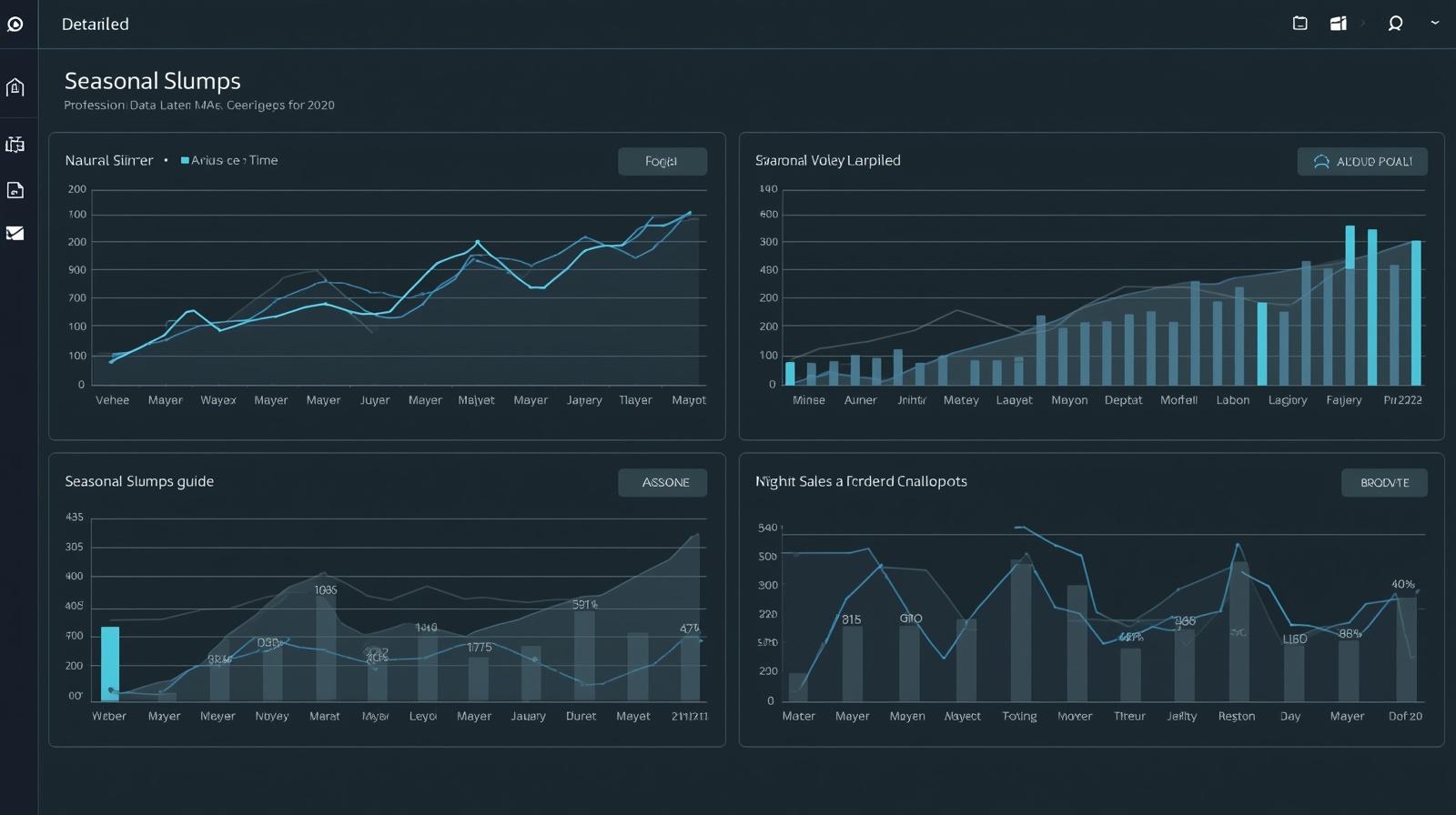
The most powerful tool for forecasting demand isn't a complex algorithm you build; it's readily available historical data. By analyzing 3-year historical sales trends for your products and similar competitor products, you can clearly identify peak seasons, slow periods, and gradual shifts in demand. This foresight is your ultimate defense against "Storage Fee Hell" and cash flow crises.
⚠️ The "Q4 Trap" Warning
During the months of October to December, Amazon increases monthly storage fees by nearly 300%. If you miscalculate and carry excess inventory into Q1, you might end up paying more in storage fees than the product is actually worth. Expert Tip: Use the "Inventory Age" report in Seller Central weekly during peak season to identify slow-movers before they become liabilities.
The X-Ray Extension: Unmasking True Demand Cycles
Helium 10's Helium 10 Chrome extension, particularly the X-Ray feature, transforms your Amazon browsing experience into a data goldmine. With a single click on any product page, you can instantly see:
- **Historical Sales Data (36+ months):** Visualize a product's sales performance over several years. This reveals true seasonality, not just recent spikes.
- **Historical Price Fluctuations:** Understand pricing behavior and identify if competitors are often forced to liquidate during certain periods.
- **Best Seller Rank (BSR) History:** A clear indicator of demand fluctuations over time.
This comprehensive view allows you to anticipate demand, optimize your purchasing cycles, and ensure you have the right amount of inventory at the right time, minimizing holding costs and maximizing sales during peak periods. It's an indispensable component of any robust amazon fba software toolkit.
Managing Inventory: Avoiding "Storage Fee Hell"
Once you understand the seasonal patterns, your inventory strategy becomes proactive instead of reactive:
- **Adjust Order Quantities:** Order less before anticipated slumps, more before peaks.
- **Plan Promotions:** Strategically run promotions to clear excess stock *before* long-term storage fees kick in, rather than reacting to them.
- **Optimize Shipping:** Use slower, cheaper freight during off-peak times, and faster air freight only when absolutely necessary for peak demand.
Every dollar saved on storage fees is a dollar added directly to your profit. Every product sold at full price during peak season, due to accurate forecasting, is a testament to strategic planning.
Recalibrating Your PPC for Seasonal Shifts
Your Amazon PPC campaigns should also ebb and flow with seasonality. Boosting bids and budgets during peak demand makes sense, but maintaining high ad spend during a slump is a quick way to inflate your ACoS. Use historical data to inform your PPC strategy, ensuring your ads are seen when buyers are most ready to purchase, and scaled back when demand is naturally lower.
For more insights on keeping your advertising costs under control, read about Why Your Amazon PPC ACOS is Over 30% (The 3 Silent Killers).
Inventory is Cash. Don't Let Yours Rot.
The financial health of your Amazon business depends on intelligent inventory management. Learn more in our 2026 Amazon Tool Comparison.
Get Helium 10 Inventory Tools →Key Takeaways for Predicting Seasonal Slumps
- Seasonal slumps are cash flow killers: Mismanaging inventory around predictable demand cycles leads to heavy losses.
- Gut feelings are dangerous: Base inventory decisions on concrete historical data, not intuition.
- 3-year trends are your guide: Analyze multi-year sales data to accurately forecast peak and off-peak seasons.
- X-Ray extension is critical: Use the helium 10 chrome extension to access detailed historical sales, price, and BSR data.
- Proactive inventory management: Adjust orders, plan promotions, and optimize shipping to avoid "Storage Fee Hell."